Inside Lottemaa’s Off-Season: How the Baltics’ Biggest Theme Park Reinvents Itself Each Year
By Lottemaa Team • Updated May 22, 2026.
From the outside, Lottemaa looks like a sleepy place between the end of August and the start of June. The gates are closed. The car park is empty. The pine forest above the wooden village in Reiu, just south of Pärnu, gets quiet in a way no other 70,000-square-metre site in Estonia gets quiet. But step through the staff gate any week between September and May and you’ll find something almost no other Nordic theme park lets the public see: fourteen people, working full-time, rebuilding the place from the inside out. This is the story of how the largest theme park in the Baltics actually works — not in July, when it’s full of families, but in February, when it’s full of paint cans, half-finished character houses, and the quiet hum of a power saw at the edge of the forest.
The 14-person crew that builds your summer
In peak summer, Lottemaa runs with around 114 people — actors, hosts, cleaners, kitchen, ticketing, character performers, security, the works. From September the team shrinks to 14. Carpenters. Painters. An electrician. A landscape gardener. A small operations team. A creative lead. They are the people who turn the park over each year, and they’re the reason you almost never come back to the same Lottemaa twice.
The work falls into three rhythms across the off-season. September through November is breakdown and review: every house, every set piece, every play area gets inspected after a full summer of three thousand visitors a day. What’s worn? What’s broken? What got the most use and the least love? What did the kids actually ignore? The team walks the entire 70,000 square metres with notebooks. December through February is the build season — protected by Pärnu’s pine canopy from the worst of the snow, the crew works on indoor restorations and on the new attractions for the coming year, framed and assembled in the on-site workshop. March through May is the open-air finish: repainting, replanting, repairing the outdoor walkways, putting flowers in, prepping costumes, and finally — about two weeks before opening day — the character bootcamp.
What “rebuilding” actually looks like
Walk Lottemaa as a visitor in July and the park feels permanent — a fully-formed wooden village tucked into the pinewoods, where every door opens onto a perfectly themed interior. Walk Lottemaa in February and the picture changes. The doors stand open. The interiors are half-stripped. The carpentry team is rebuilding the back wall of one of the character houses, because thirteen years of small Estonian, Latvian, Finnish, and Russian-speaking kids leaning into the same wooden panel has actually worn the timber thin in places.
A few examples of what gets touched in a single off-season:
- Two or three character houses get full interior refurbishments — new themed objects, new tactile elements, new interactive moments. The plan is that no kid sees the exact same Bruno’s house two summers in a row.
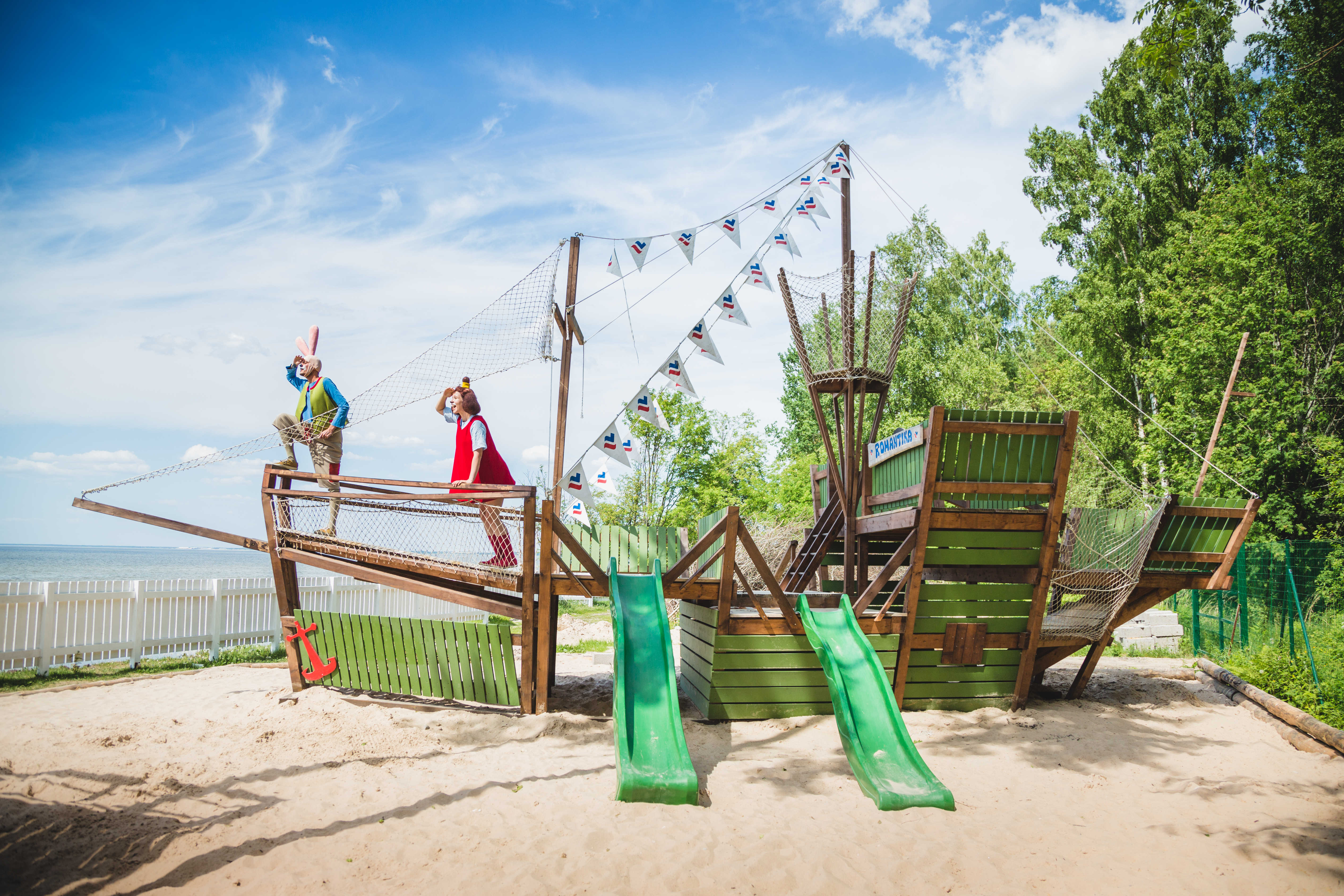
- At least one new attraction is added each year. In 2026 we built a new outdoor play structure near the maze. In 2025 it was the updated planetarium content.
- The maze hedge is replanted in patches — pinewoods soil isn’t kind to formal hedging, so corners get rebuilt every spring.
- The theatre rehearses a new full-length show, which is the one piece of off-season work that gets done in collaboration with the seasonal performers, not the 14-person core team.
- Hundreds of costumes get cleaned, repaired, sometimes rebuilt from scratch.
None of this is announced loudly. There’s no “exciting new ride for 2026” press release. The work simply happens, and when families return in June, the village is the same village — quietly, deliberately different.
Why this matters (and why almost no one else does it)
Most theme parks in the Nordic region either run year-round at reduced hours (Linnanmäki, Liseberg) or close completely and run thin (Gröna Lund’s winter is mostly storage). The Lottemaa model is different — full closure paired with full reinvestment, every single year. Three reasons it works:
1. The park is wooden. Almost everything inside the gates is built from timber sourced locally in southwest Estonia. Wood is forgiving — it can be repaired by hand, re-stained, re-jointed, replaced in panels rather than wholesale. A wooden village is the only kind of theme park that can actually be rebuilt by 14 people in eight months.
2. The audience is 3 to 10. Our target visitors are kids in a six-year window where the same character, the same house, the same dressing-up box still feels new to them. The off-season rebuild is calibrated to the fact that a four-year-old in 2026 is a different child from the four-year-old who came in 2024 — the work doesn’t need to chase novelty for its own sake; it just needs to keep the experience genuinely alive and well-maintained.
3. The brand is the story, not the rides. Lotte and Bruno and the inventors of Gadgetville are characters from a film franchise — they live in the village whether or not it’s open. The off-season work is, in a real sense, taking care of where they live. It’s a frame of mind that the 14-person crew takes seriously, in a way that 200-ride coaster parks rarely can.
The two-week character bootcamp
Two weeks before opening day, the seasonal team arrives. This is where Lottemaa transforms from 14 people in overalls into the 114-person summer operation. The arrival rhythm is staggered — operations and hosts first, performers last — but the heart of it is what we call the character bootcamp.
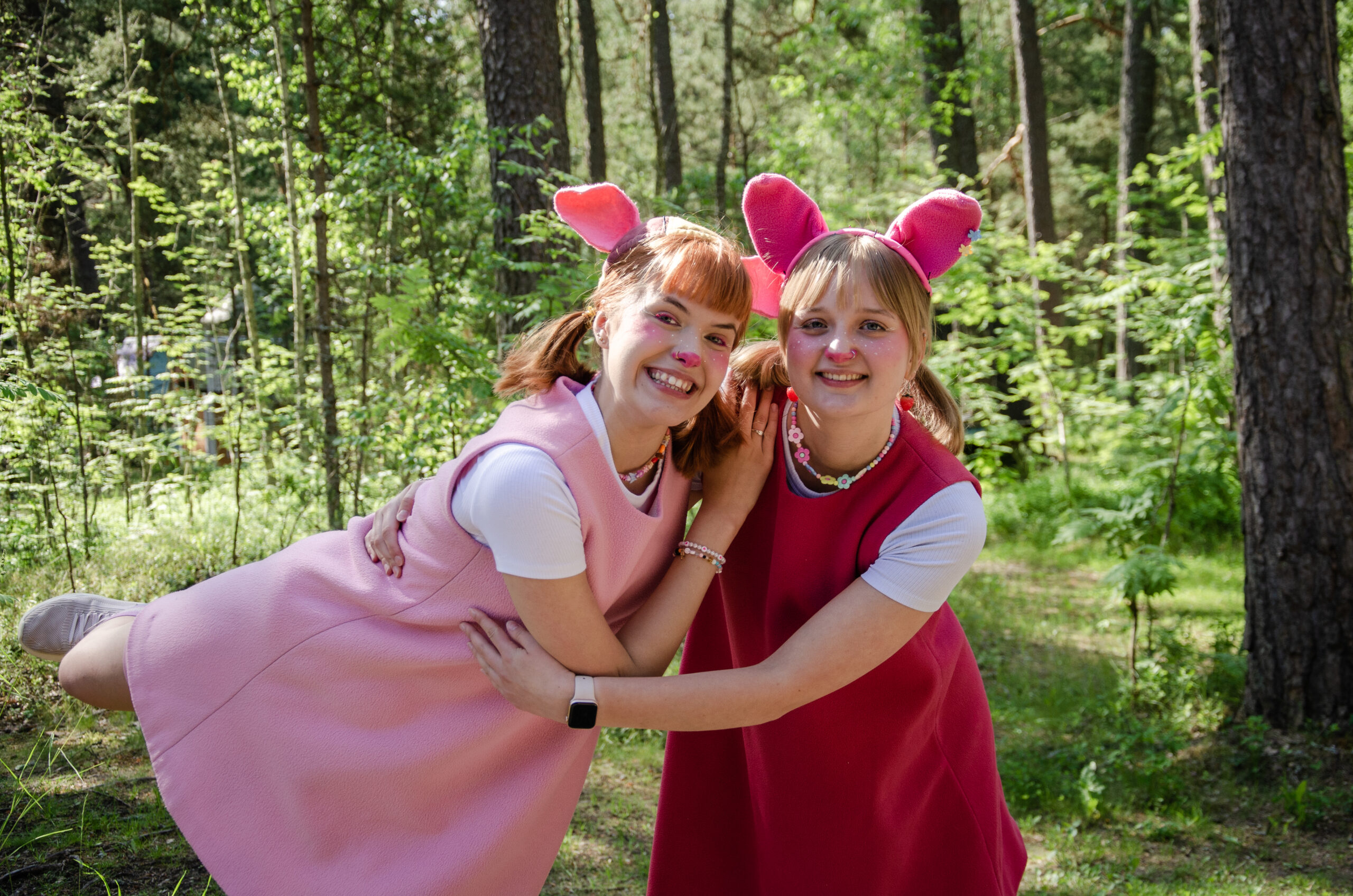
A hundred or so seasonal performers and animators come through a two-week intensive training programme. The training covers improvisation in character voice, the canon of the Lotte universe (what would Bruno do here? what does Lotte love? when does an inventor character break the fourth wall and when does she stay in voice?), multilingual greetings — most of our performers handle at least Estonian and English, many also handle Russian, Latvian, and Finnish — and the deeply unglamorous parts of working an eight-hour day in a full character suit when the Pärnu sun is at 25 degrees.
The bootcamp matters more than it looks. The most-cited compliment in our visitor reviews — across all five languages — is some version of “the staff felt like they actually loved being there.” That’s not an accident. That’s two weeks of training, an off-season crew that builds the village to be a place worth working in, and a culture our team rebuilds together every spring.
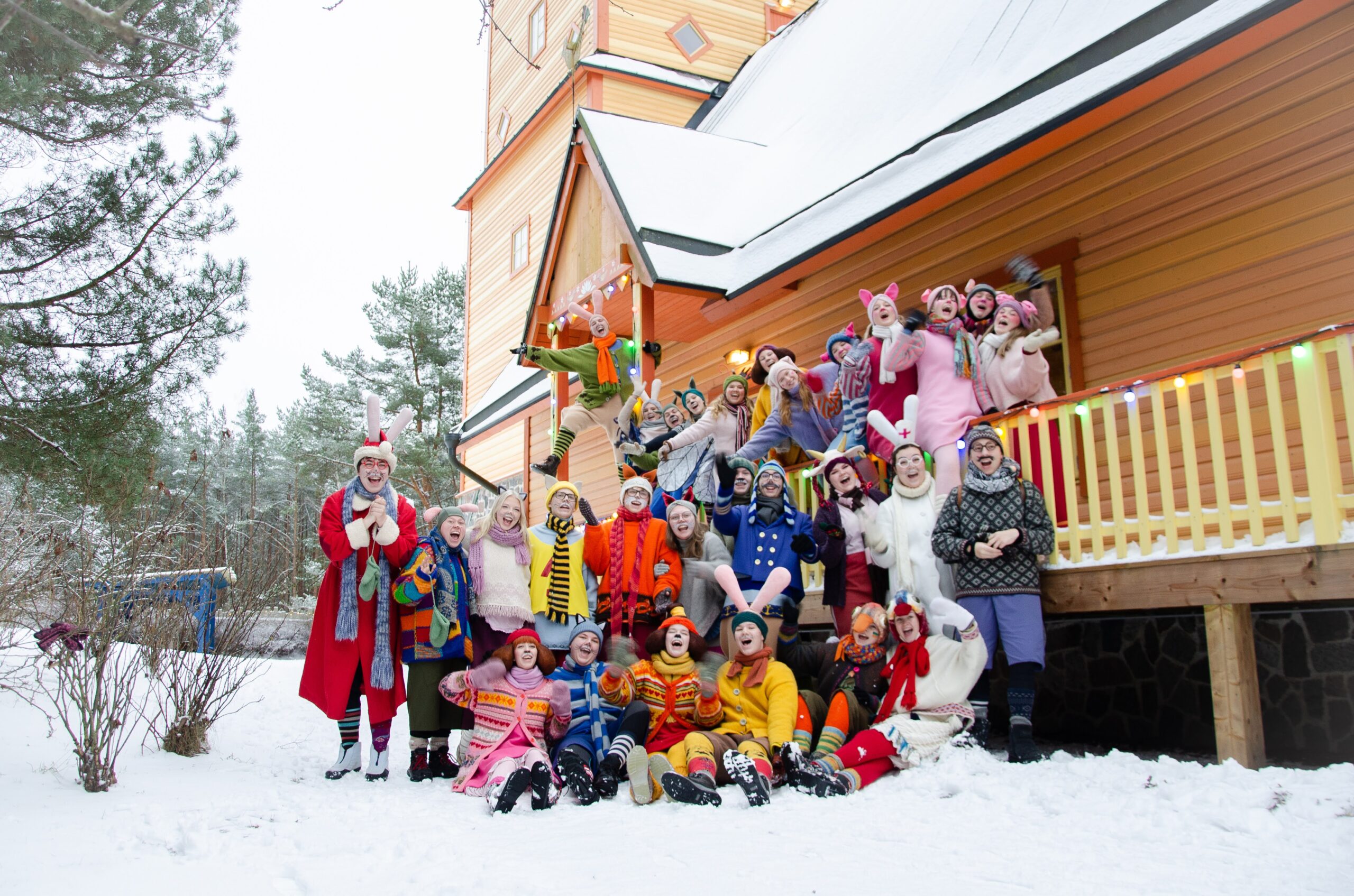
What you see vs. what the team is quietly doing
Here’s a small honesty: as a family visiting in July, you will almost certainly never notice the off-season work directly. You won’t read a plaque saying “this wall was rebuilt in February.” You won’t see the workshop sketches. The newly-stained Bruno’s house just looks like Bruno’s house. The new attraction near the maze just looks like a part of the park.
And that’s deliberate. The Lottemaa rebuild isn’t designed to be impressive — it’s designed to be invisible, so that the village feels timeless rather than corporate, lived-in rather than commercial. The work is in service of a feeling, not a brand statement.
But families who come back year after year do notice it indirectly. The most-repeated review phrase in our 2,631 Google reviews is some version of “we keep finding new things.” That’s not because Lottemaa is endlessly expanding. It’s because the same 17 hectares get gently, deliberately rearranged every year by a team that knows the place better than any visitor ever will.
A typical off-season day, in case you’re curious
A February Thursday at Lottemaa. The temperature is around -2°C. Snow on the perimeter; not much under the pines. The carpentry workshop is the warmest building on site — its woodstove runs from 7:30am to 4pm, and lunch is usually eaten there, around a long wooden table that’s older than the park.
By 8am, two carpenters are sanding the rebuilt frame of one of the character houses. The painter is mixing a new colour batch for an exterior recoat. The electrician is replacing wiring in the planetarium. The landscape gardener is in the workshop sketching the new bed plan for the entrance. The creative lead is reviewing the costume orders. The operations team is on the phone with the seasonal hiring round — applications for animator roles open in November and close in March, and the interviewing happens through winter.
Lunch breaks the day into halves. At 4pm the workshop closes; the carpenters lock up; the lights along the main walkway come on automatically. By 5pm Lottemaa is quiet again, except for the sound of the wind in the pines. It’s not a lonely place — but it is a working one. And it’s working for the families who’ll arrive in five months.
Why we wrote this
Three reasons. One: most of our visitors have asked us at some point what happens here in winter. Two: we believe the best brands let people see how they actually work — competitor parks in the Nordic region almost never publish behind-the-scenes content, and we think that’s a missed opportunity to build trust. Three: we wanted you to know what’s already in motion right now, in May 2026, as we count down to opening day. The carpentry workshop has been busy. The maze has been replanted. The new costumes are in. The bootcamp starts in two weeks. The village is ready to come back to life — for you, and your kids, and the five months of summer when 70,000 square metres of pinewoods stop being quiet.
Frequently Asked Questions
How many people work at Lottemaa year-round? Around 14 people during the off-season (September–May) and around 114 during the summer season (June–August).
What do they do in winter when the park is closed? Maintenance, restoration, building new attractions, replanting the landscape, repairing costumes, and preparing the next season’s training programme.
Does Lottemaa add new attractions each year? Yes — at least one new attraction or major refurbishment per year, plus two to three character houses get interior refreshes. The pace is intentionally low-key rather than headline-driven.
When does the seasonal team arrive? Roughly two weeks before opening day. They come through a two-week intensive bootcamp covering character voice, multilingual greetings, and operational training.
Why does Lottemaa close instead of running year-round like Linnanmäki? The park is built almost entirely from local wood, sits in a working pine forest, and is calibrated for outdoor family days. A short, intensely well-prepared summer plus a full year of behind-the-scenes work suits the park’s design and its audience better than a permanent operation would.
Can you visit Lottemaa in the off-season? Not as a public visitor. The gates are closed September through May. We’re considering a small number of behind-the-scenes tours for press and partners in future winters.
Want to see Lottemaa this summer? [See 2026 opening dates and buy tickets →]
Author: Lottemaa Team, Content & Family Travel Editor at Lottemaa (Lotte Village Theme Park).
The Lottemaa Team writes about the daily life of the largest theme park in the Baltics — the season, the off-season, the village, and the families who come back year after year. This piece was written from inside the workshop in May 2026.