
Best Age for Lottemaa: Why 3 to 10 Is the Sweet Spot Every Parent Asks About
By Lottemaa Team • Updated May 22, 2026.
The honest answer: kids aged 3 to 10 get the most out of Lottemaa. That’s the sweet spot — wide enough to take a younger sibling and an older one on the same day, narrow enough to mean every part of the park is designed for someone in your group. But the question parents actually arrive with is rarely “what age is best?” — it’s almost always “is my kid the right age?” That worry shows up across every review we read: “I wondered if my 2-year-old would be too small,” “I worried my 9-year-old was getting too old for character meet-and-greets,” “I didn’t want to drag a bored 11-year-old around.” This guide answers the question the way a parent at the gate would actually ask it — by age, year by year, with what each child genuinely gets out of the day.
The short version, by age
| Age | How it lands | Recommended ticket |
| 0–1 | Free entry. Easy for parents — quiet pinewoods, picnic spots. Baby won’t remember it, but the day is gentle and the photos are good. | Free |
| 2 | Magical for the toddler — character houses, the train, the beach. Pace is the limiter, not the content. | 1-day or 2-day |
| 3–5 | Peak magic. The character houses, the theatre, the planetarium and the beach all hit. This is the age the park was designed for first. | 2-day |
| 6–8 | Peak energy. The adventure park, the maze, the live theatre shows and the beach all become more interesting. Reads more than younger kids do. | 1-day works; 2-day better |
| 9–10 | Still in. Loves the adventure park, the maze, the planetarium content. Less interested in character meet-and-greets but happy to humour a younger sibling. | 1-day |
| 11–12 | Edge of the band. Engaged if there’s a younger sibling, fine if there isn’t, slightly checked-out if they came expecting a thrill-ride park. | 1-day |
| 13+ | Not the audience. The park doesn’t pretend to be — there are no teen thrill rides, no “you must be this tall” signage, no edgy branding. Better suited as the family supportive sibling than the focal child. | 1-day, or skip |
The 3–10 sweet spot, by year
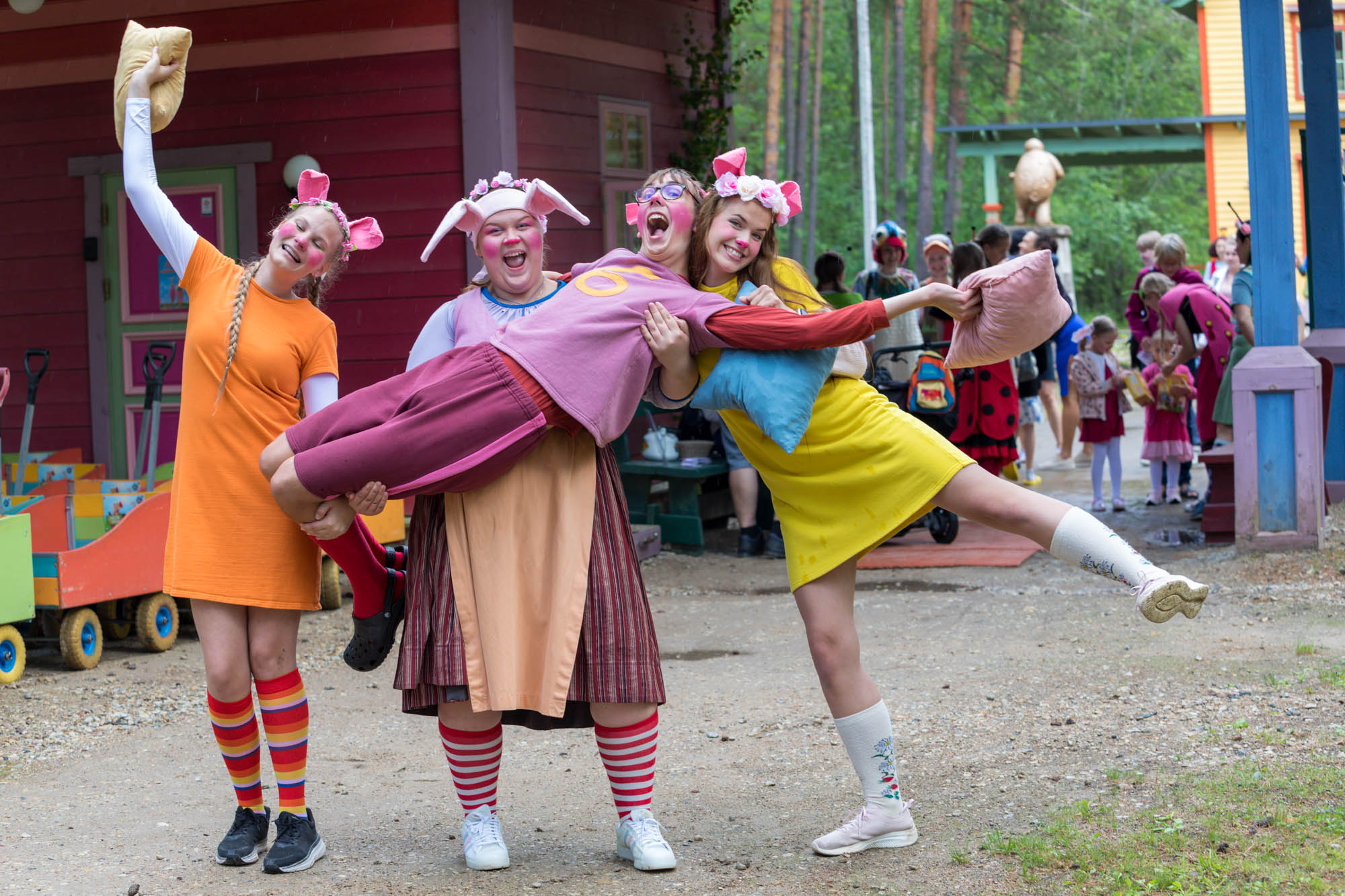
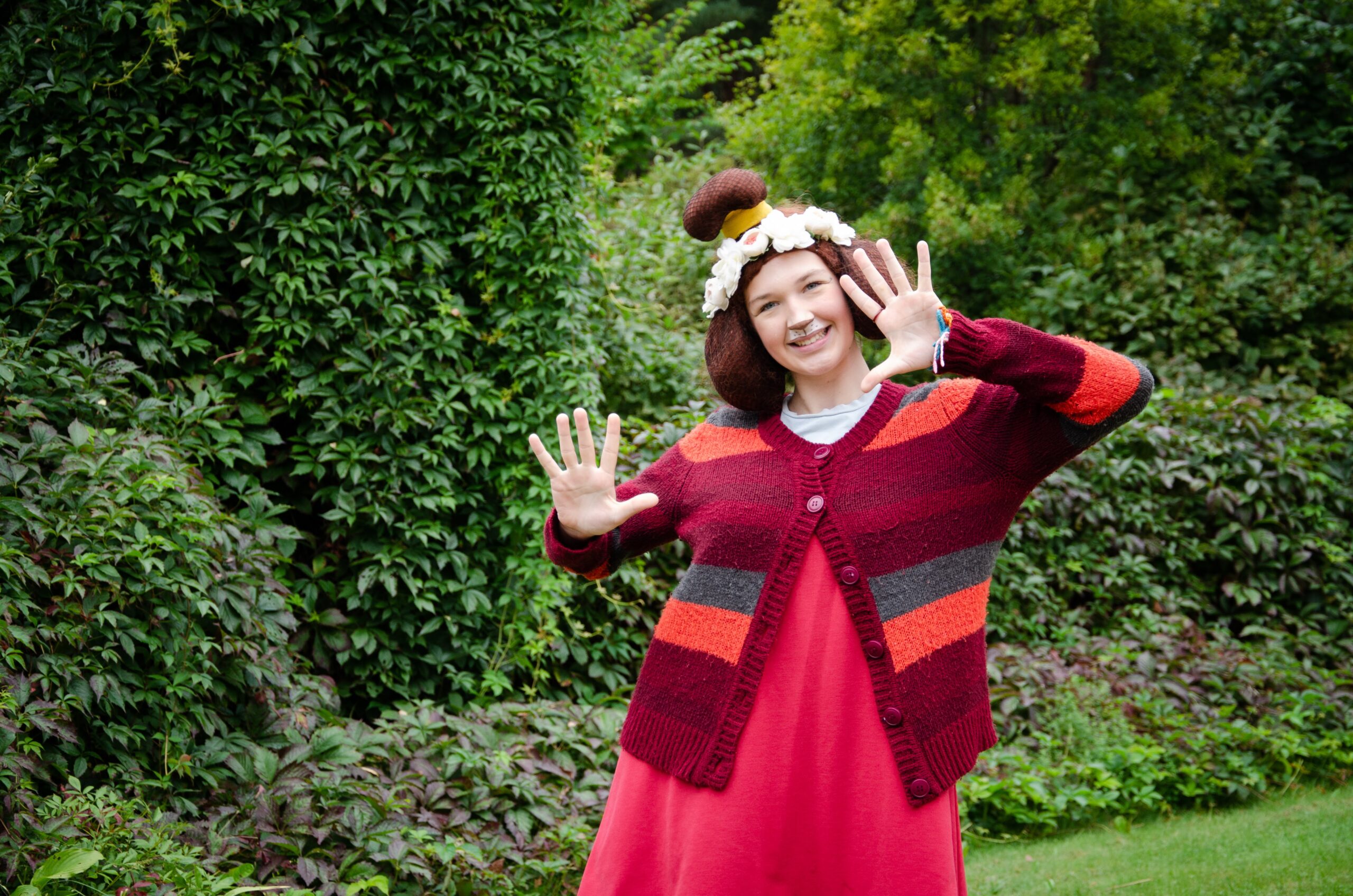
Age 3 — first proper Lottemaa year. Children at three are tall enough to walk most of the day, talk to costumed characters in basic sentences, and recognise Lotte and Bruno if they’ve watched any of the films. The character houses are interactive in a way three-year-olds love (drawers to open, hats to try on, gentle sound effects), and the pace of the day suits a kid who still naps. Pack a pushchair for the last hour, just in case.
Age 4 — first peak year. Four-year-olds get more out of Lottemaa than almost any other age. They have the stamina for a full day, the imagination for the village to feel real, and the language to talk back to the actors. They have not yet developed the irony filter that arrives around age 9. The park’s animators (we have around a hundred in summer, performing in five languages) calibrate their character interactions for exactly this age. Most parents who plan their first Lottemaa trip do so around their child’s fourth or fifth birthday.
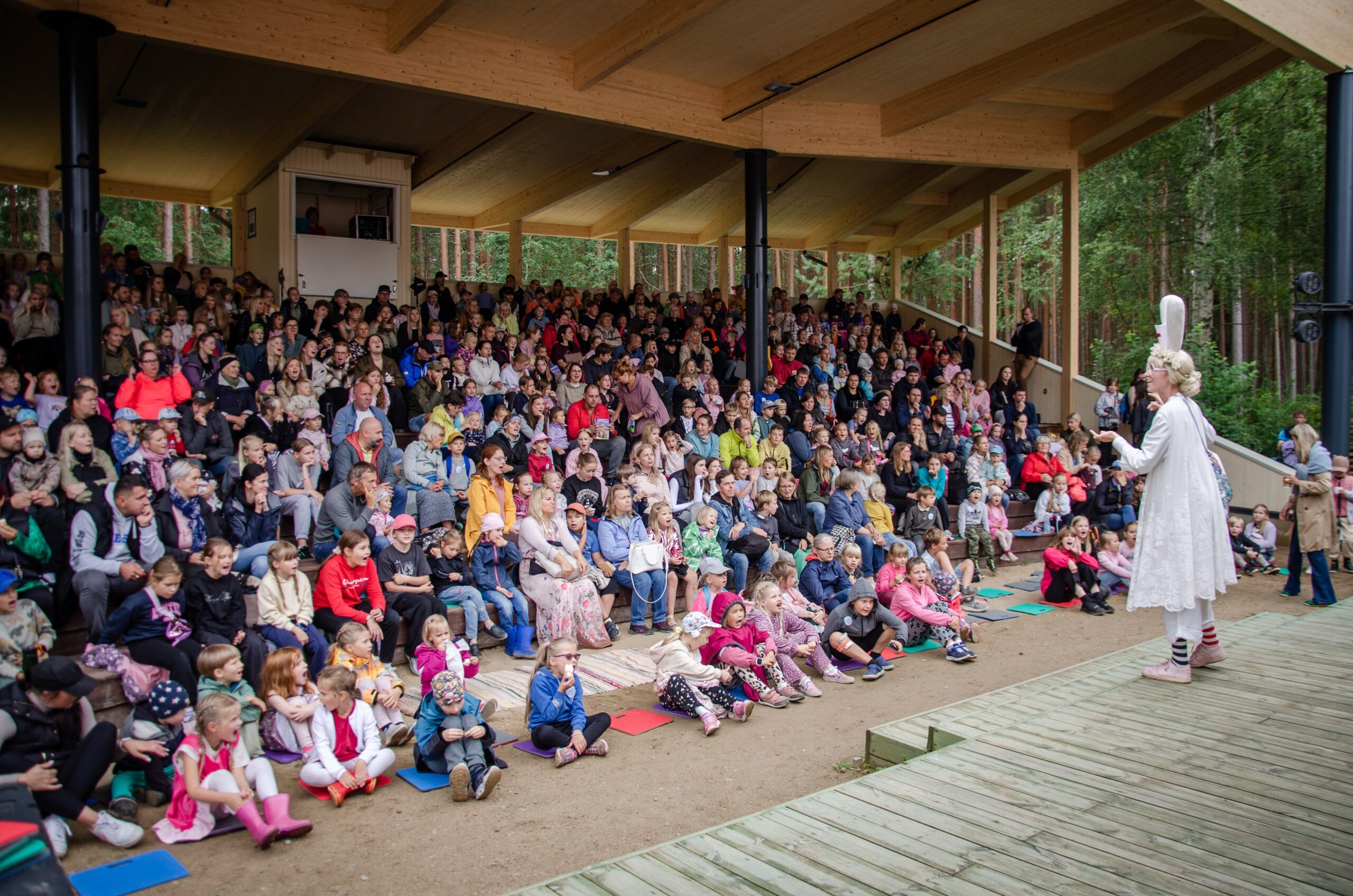
Age 5 — same magic, more endurance. Five is when a kid can do the full day without a meltdown, ride the carousel and watch the full-length theatre show, and start asking thoughtful questions about the planetarium content. The two-day ticket starts paying off here, because a five-year-old will actively want to come back tomorrow rather than nap-cry by 3pm.
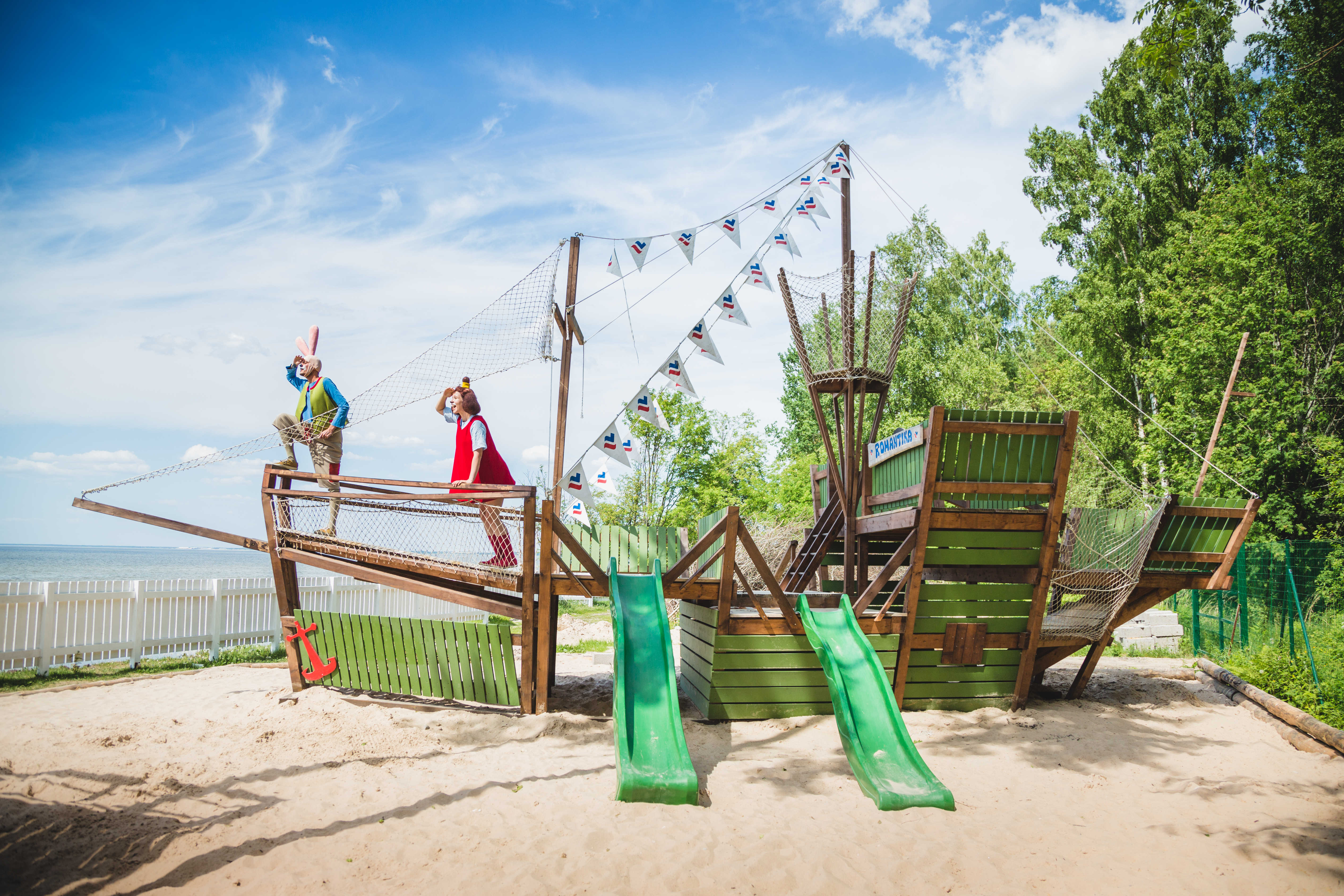
Age 6 — the year the adventure park takes over. The outdoor adventure climbing area becomes a hit at six. The maze also becomes navigable rather than just disorienting. Theatre shows land properly because six-year-olds are old enough to follow the plot.
Age 7 — the comparison year. Seven is the year kids start comparing Lottemaa to other places they’ve been. The honest comparison is fine — Lottemaa isn’t trying to be Linnanmäki or Gröna Lund (no thrill rides), and most seven-year-olds, when asked, prefer the wooden-village pace once they’re inside.
Age 8 — last year of full character immersion. Eight is the last year most kids will, without self-consciousness, hug Lotte for a photo. After that the meet-and-greets become “humouring a sibling” rather than the core experience. The adventure park, the planetarium, the beach and the maze are still genuinely the day’s highlights.
Age 9 — the “is this still for me?” year. Nine-year-olds occasionally arrive sceptical. Almost all of them are won round by the planetarium and the adventure park within the first hour. The trick is to let them lead the morning — adventure park first, character houses second — instead of dragging them through the under-fives experience first.
Age 10 — quietly perfect. Ten-year-olds enjoy the day less performatively than five-year-olds, but tell you on the drive home that they had a good time. They often ask to come back next year “because of the maze” or “because the planetarium was actually good.” Many parents underestimate how much ten-year-olds get out of Lottemaa.
What about ages 0–2?
The honest answer differs by age:
0–11 months: Free entry, but baby will not get the day in any meaningful sense. Lottemaa works as a quiet pinewoods day out for parents while a baby naps in a sling or pushchair. Photos are lovely. The day is for the parents, not the baby — and that’s a fair trade.
12–23 months: Free entry. The toddler is awake enough to enjoy the train, the beach, and a couple of character meet-and-greets. Naps still matter; plan around them. A two-day ticket can be worthwhile because it lets you split the day in half rather than push through.
Age 2: First ticketed year (€28). At two, kids are old enough for the character houses to feel magical, the theatre to engage them, and the beach to thrill them. The pace is the limit — two-year-olds need afternoon naps. The two-day ticket is genuinely the right call: one morning, one afternoon, two separate days.
What about ages 11+?
The most honest section in this whole guide:
Age 11–12: Engaged if they’re with younger siblings; lukewarm if they came expecting rides. The maze and the adventure park are the two parts of the park that still genuinely entertain pre-teens. If your eldest is 11 and your youngest is 5, the day works — Lottemaa is a place where the older kid gets to feel like the helper, and that’s its own kind of fun. If your only kid is 12 and they’ve already done Linnanmäki, this is probably not the trip for them.
Age 13+: Better suited as the family supportive sibling than the central child. The park doesn’t pretend to entertain teens — there are no teen marketing campaigns, no “extreme zone,” no influencer angle. That honesty is itself part of why parents trust the place, but it means setting expectations: a thirteen-year-old who comes for a long family weekend will enjoy the beach and the food and the adventure park, but won’t write home about it.
Multi-age families: how to plan the day
Most families don’t have one perfectly-aged child — they have a 4 and a 7, or a 3 and an 8. Three rules of thumb:
- Let the older kid pick the first attraction of the day. If the eldest leads the first hour into the adventure park or maze, they spend the rest of the day relaxed about humouring the younger sibling at the character houses. If you reverse the order, the eldest spends the day waiting for “their” part.
- Split up around 11am and meet for lunch. One adult does the character circuit with the younger kid, one adult does the adventure park / planetarium with the older. Lunch reunites the family. Splits like this work because the park is small enough that everyone can meet up easily, and big enough that splitting up is genuinely different days.
- Use the two-day ticket if there’s a 6+ year gap. A 3-and-9 split is hard to do in one day without compromise. A 2-day ticket lets you do “younger kid day” and “older kid day” with the whole family at each — both kids feel like they had a Lottemaa day rather than half a Lottemaa day.
Why the 3–10 design choice was deliberate
Most theme parks try to be everything to everyone — toddlers to teens, families to thrill-seekers, year-round. Lottemaa explicitly doesn’t. The park was built around the Lotte film franchise (the original 2006 film was made for kids around 4 to 8), and every design decision since — the village scale, the character interactions, the language of the signage, the height of the planetarium seats — has been calibrated for the 3-to-10 audience. That’s a feature, not a limitation:
- No “you must be this tall” signs to disappoint a four-year-old.
- No thrill rides that exclude smaller children.
- No teen-targeted content that confuses the brand tone.
- Every staff member is briefed on speaking to 3-to-10-year-olds specifically, in five languages.
- The whole 17-hectare site is designed to be navigable by a four-year-old’s stamina.
The trade-off is real: families with teenagers will get more out of Linnanmäki or Gröna Lund. Families with under-twos will spend a quiet, photogenic, pleasant day but the day is for the parents, not the baby. Families with kids 3–10 — the actual target — will have a day calibrated for them in a way almost no other Nordic theme park calibrates for any specific age band.
What parents actually say
Across thousands of reviews, the most-repeated parental quote, paraphrased: “It was exactly the right age for my child.” The five-star reviews almost always mention the child’s age, almost always between 3 and 10, and almost always describe the day as “spent the whole day” or “didn’t want to leave.” That’s the data behind the recommendation in this guide — not marketing.
Frequently Asked Questions
What age is Lottemaa for? Kids aged 3 to 10 get the most out of the park. Ages 2 and 11–12 work but are at the edges. Ages 0–1 attend free; under-twos enjoy parts of the day but won’t remember the visit.
Is Lottemaa good for toddlers? Yes — but the limiting factor is pace, not content. A two-day ticket and a willingness to nap mid-day make Lottemaa work well for two- and three-year-olds. The character houses, the train, and the beach are the standout toddler experiences.
Is Lottemaa boring for older kids? Honestly, by 11–12 the park becomes “fun if there’s a younger sibling, lukewarm if not.” Teens are not the target audience and we don’t pretend otherwise. The adventure park, planetarium, maze, and beach still hold up — the character meet-and-greets don’t.
What’s the youngest age kids need to pay for? Two. Ages 0–1 enter free. From age 2 the standard ticket (€28) or two-day ticket (€41) applies.
Is there a “you must be this tall” minimum? No. Lottemaa has no thrill rides, no height-restricted attractions, no exclusionary signage. Everything inside the gates is accessible to every child with an adult.
What if my kids are 3 and 10? Can one day work for both? Yes, but plan to split up for parts of the day — the adventure park for the 10-year-old, the character houses for the 3-year-old, lunch together. A two-day ticket makes the multi-age split easier because no kid has to compromise on what they wanted to see.
What if my child has special needs or sensory sensitivities? The park’s pace is gentle, the noise level is moderate, indoor character houses provide quiet retreats, and the staff are trained to be patient. Lottemaa offers reduced tickets for children with disabilities (€16) and free companion entry (see our complete tickets guide).
Buy your tickets: [See 2026 opening dates and buy online →]
Author: Lottemaa Team, Content & Family Travel Editor at Lottemaa (Lotte Village Theme Park).
The Lottemaa Team writes practical planning guides for visiting Lottemaa and the Pärnu region with children — tickets, transport, age guidance, accessibility, packing, seasonal planning. This guide was last updated on