Meet Lotte: The Story of Estonia’s Beloved Cartoon Character
By Lottemaa Team • Updated May 22, 2026.
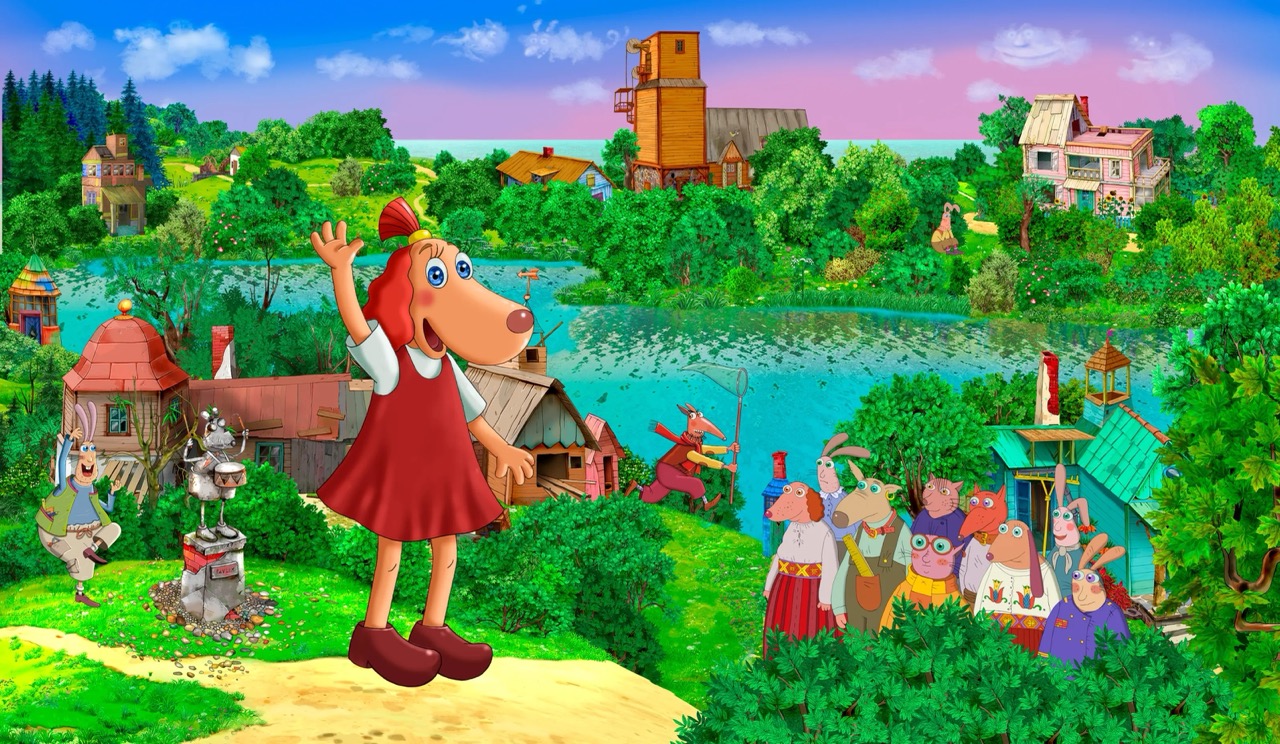
If you’ve travelled in Estonia or Latvia in the last twenty years, you’ve almost certainly seen her – a curious, big-eared dog with the kind of restless inventor’s mind that lights up a child’s imagination. Her name is Lotte, and she is, by some distance, the most influential children’s character to come out of the Baltic states this century. In Estonia and Latvia, she’s the dog every parent grew up watching and now shares with their own kids. And in a 17-hectare pine forest just south of Pärnu, she has a real, walkable home – Lottemaa, the only theme park in the world built around her story.
Who Created Lotte? The Estonian-Latvian Origin Story
Lotte was born in 2006 as the heroine of an animated film called Leiutajateküla Lotte – in English, Lotte from Gadgetville. The film was co-produced by Eesti Joonisfilm – Estonia’s oldest animation studio – and Rija Films, based in Riga, making Lotte a genuinely cross-border creation from the very first frame. The Estonian directors Janno Põldma and Heiki Ernits, already well-known across the Baltics for the Naksitrallid series, wrote and directed the original together.
What surprises many international visitors is just how Latvian Lotte is. The film’s funding, animation work, and several of its key creative voices came out of Latvia. This is why Latvian families often feel as much ownership of the character as Estonian families do, and why both countries claim her with equal warmth. Lotte isn’t quite an Estonian export and isn’t quite a Latvian one – she’s a shared Baltic creation, which is rarer than it sounds.
The film won awards across Europe and became, by Baltic standards, a cultural moment. A generation of children grew up watching it. By the time the first sequel arrived in 2011, the universe of Gadgetville – its houses, its inventors, its small daily mysteries – had become a fixed point in the regional family imagination.
The Lotte Franchise: Films, Television, Books, and a Theme Park
The franchise has expanded in steady waves since 2006. There are three feature films, each separated by roughly five years of careful production:
- Leiutajateküla Lotte (Lotte from Gadgetville), 2006
- Lotte ja kuukivi saladus (Lotte and the Moonstone Secret), 2011
- Lotte ja kadunud lohed (Lotte and the Lost Dragons), 2019
Alongside the films sit an animated television series, picture books in multiple languages, music albums, school programmes, and merchandise that fills whole shelves in Estonian and Latvian bookstores. The films have been dubbed into English, Russian, Finnish, Latvian, and several other languages, which means a Finnish or Latvian family visiting Lottemaa can often watch the films in their own tongue before they arrive.
For international comparison: Lotte is roughly what Peppa Pig is to British families, or what the Moomins are to Finnish ones. She’s a generational icon – a character every Estonian and Latvian parent recognises instantly and shares with their kids as a matter of cultural transmission. She’s not famous globally, but inside her home region she is unmissable.
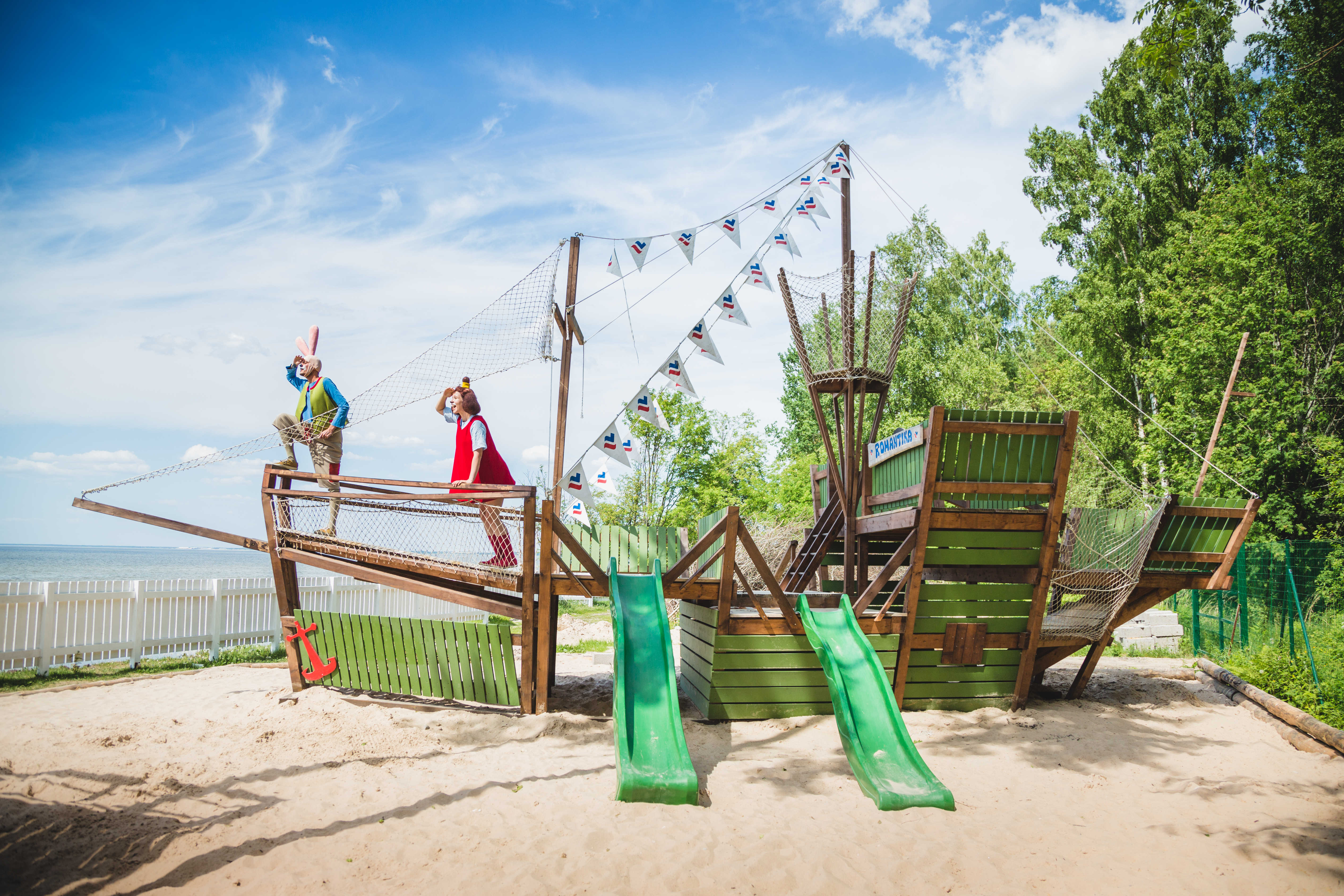
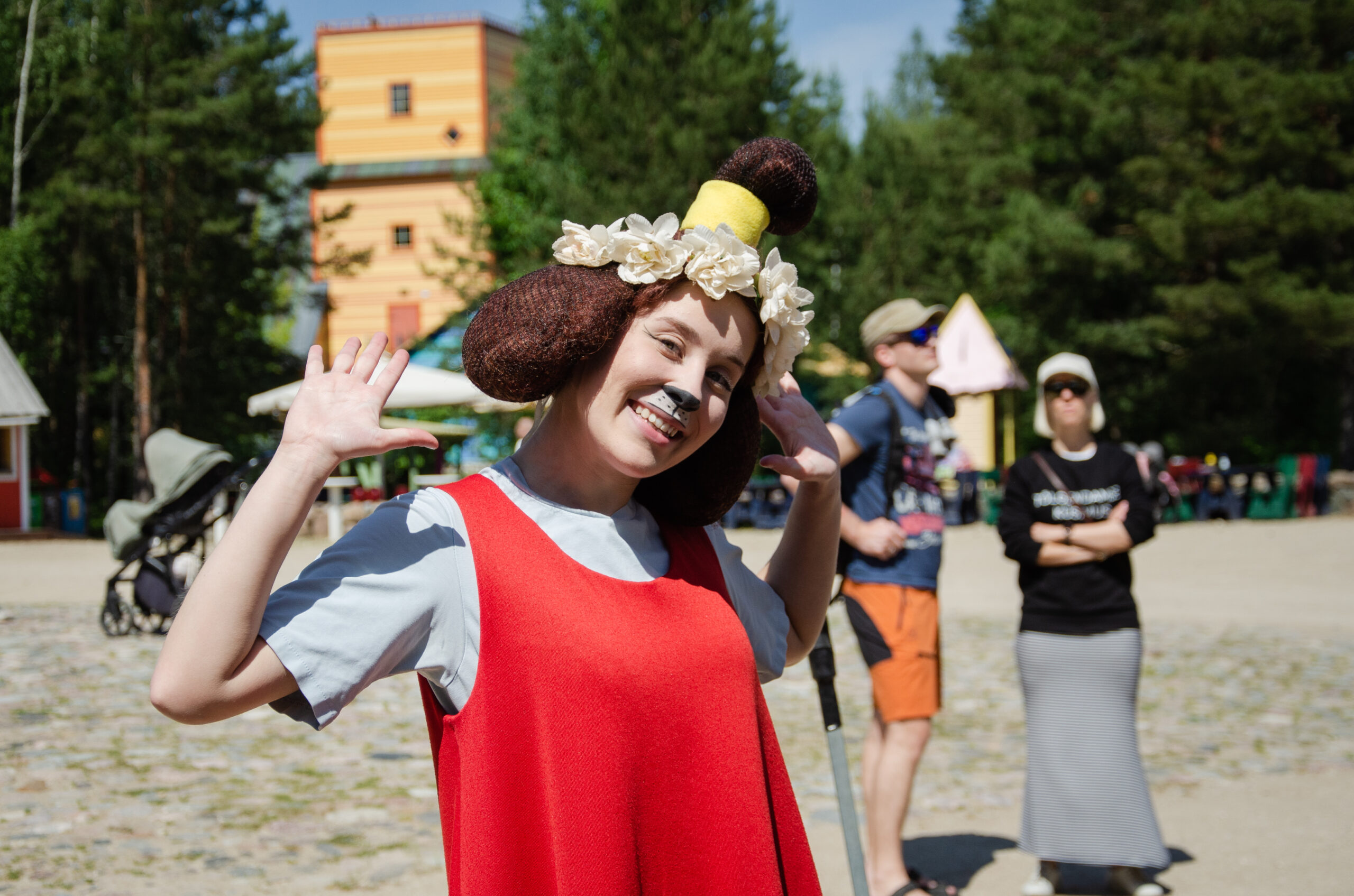
The latest expansion of the franchise is the theme park itself. Lottemaa opened in 2013, on a 17-hectare site south of Pärnu where the cartoon’s pine-forest setting could be reproduced at full scale. The park’s founders wanted Estonian and Latvian families to step into Lotte’s world – not just watch it on screen. Today it is the largest theme park in the Baltics, with character houses that mirror the films almost exactly.
The Characters of Gadgetville (Leiutajateküla)
Every household in Gadgetville is run by an inventor with a particular obsession. Here are the ones your family will meet on a visit to Lottemaa:
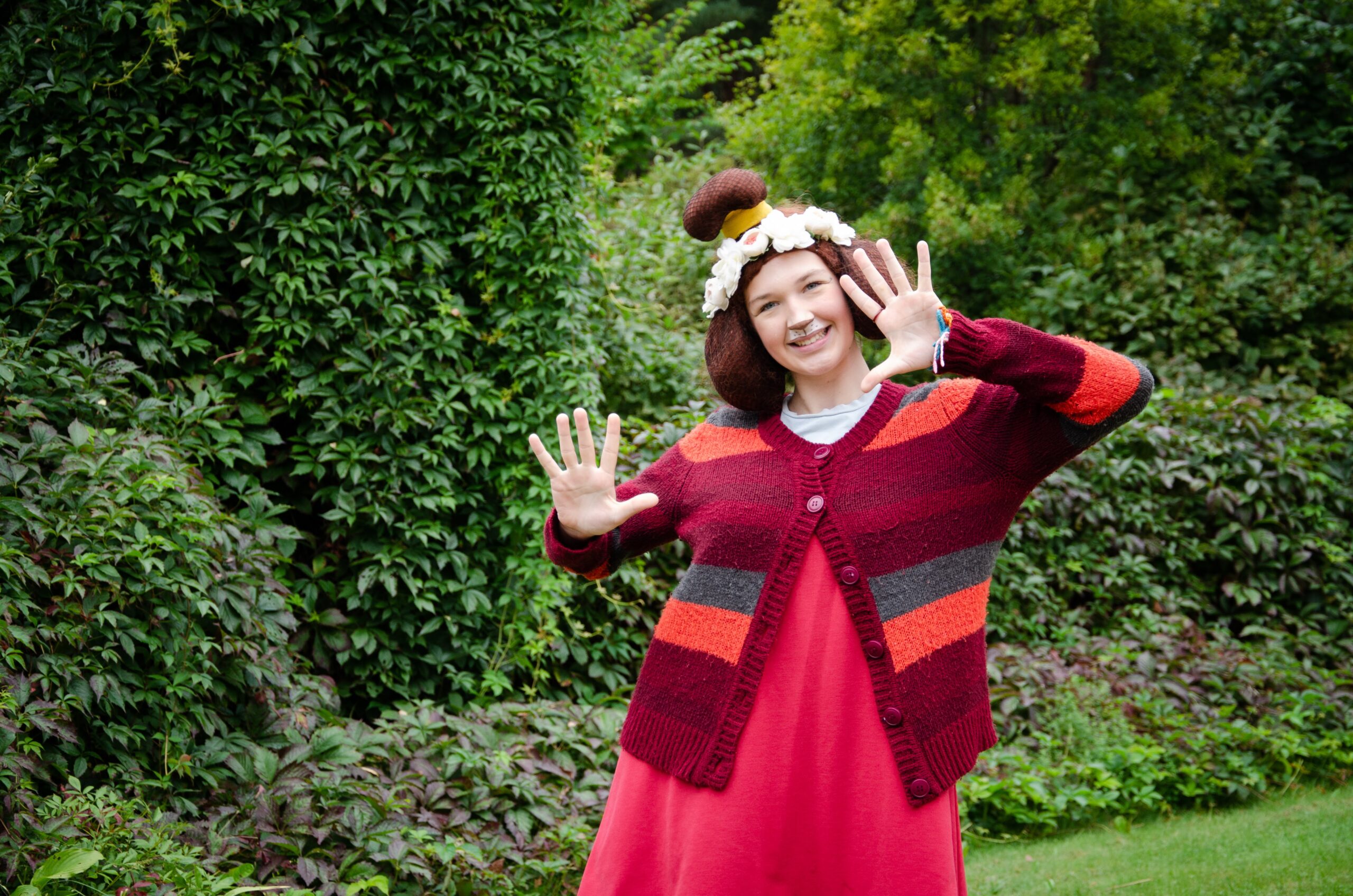
- Lotte – the protagonist, a young dog whose curiosity is endless and whose enthusiasm for inventing knows no off switch. Cheerful, loyal, and quietly braver than she looks.
- Bruno – Lotte’s best friend, a steady and unflappable companion who balances her excitable energy. The first friend most children mention by name after a visit.
- Klaus the Inventor – Lotte’s father in the cartoons, a tinkerer whose workshop is the engineering heart of the village. His house at Lottemaa is full of simple mechanical puzzles children can try.
- Susumu the Turtle – a quiet, philosophical Japanese turtle who keeps a small zen garden. His corner of the park is one of the calmest spots in the village.
- Albert – Klaus’s apprentice and a recurring secondary character in the films.
- Anne and Roosi – the rabbit twins, mischievous and inseparable.
- The Fox Brothers – the village’s lovable scoundrels, who run a child-safe “casino” that’s really a series of simple games.
In total there are more than a dozen named characters with their own houses inside the park, plus dozens more secondary characters from the films and books who appear in murals, signs, and small details around the village.
[Meet all the Gadgetville residents at Lottemaa →]
How Lotte Became a Cultural Icon in Estonia and Latvia
There are a few reasons Lotte stuck where so many other children’s characters have not. The first is the tone of the films: gentle, curious, slow-paced by modern standards, with no real villains and no manufactured drama. Parents trust the franchise to be a calm thing in a noisy culture, and that trust accumulates across generations.
The second is the world. Gadgetville is a coherent, lovingly drawn place – a real village with real geography, where every house belongs to someone and every character has a backstory. Estonian and Latvian children develop a sense of living inside Gadgetville the way British children inhabit Beatrix Potter’s Lake District or Finnish children inhabit Moominvalley.
The third is the language. Lotte’s vocabulary, sayings, and small phrases have entered everyday Estonian children’s speech. Families quote the films at dinner. Teachers use Lotte books to introduce literacy and basic science concepts. The Estonian Children’s Literature Centre in Tallinn maintains a literary game built around the franchise. The character has become, quietly, infrastructure.
You can see this every time an Estonian or Latvian parent walks into Lottemaa with their child for the first time. The parent’s face changes before the child’s does. They are not just visiting a theme park – they are walking through a place they imagined as a child themselves.
From Screen to Theme Park: Why Lottemaa Was Built
When Lottemaa opened in 2013, it answered a question Estonian and Latvian families had been asking for years: can we go to Gadgetville? The answer, until then, had been “only in your imagination.” A small team built the answer in pine forest 15 minutes south of Pärnu, on a 17-hectare site that could host the village at one-to-one scale.
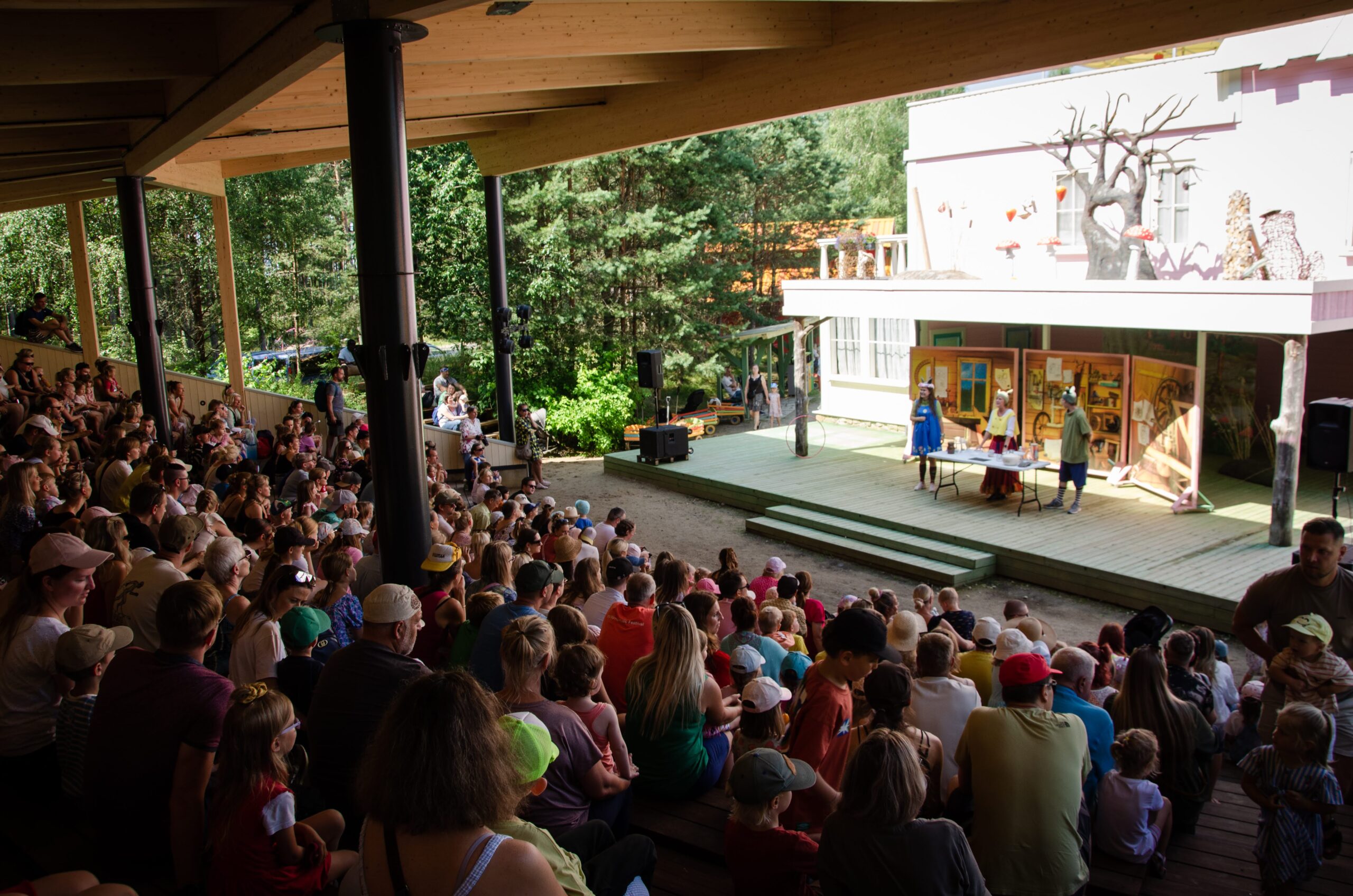
Each year since, the park’s off-season crew (14 people in winter, scaling up to 114 in peak summer) has added new houses, new workshops, and new attractions – always keeping faithful to the films. The result, after more than a decade of slow, careful construction, is a park where families don’t just see Lotte’s world. They walk through it, eat in its restaurant, swim at its beach, and watch its theatre. Estonian and Latvian children especially treat their first visit as something close to a pilgrimage.
If you want to read what to actually do once you’re there – tickets, the day plan, how to get there from Tallinn, Riga, or Helsinki – that’s covered in our complete guide to Lottemaa.
How to Introduce Your Kids to Lotte Before You Visit
If your child has never seen the films, watching one or two before the trip transforms the visit. Suddenly every house, every character, every painted detail in the park is recognisable. Children move through Lottemaa with the satisfaction of fans recognising things they already love.
A short watch-before-you-visit plan:
- Watch Lotte from Gadgetville (2006). The original. About 80 minutes. Sets up the characters and the world.
- Read at least one picture book. Available in English, Finnish, Latvian, Russian, and several other languages. Bookshops in Pärnu carry them.
- (Optional) Watch Lotte and the Moonstone Secret (2011) or Lotte and the Lost Dragons (2019). If your child wants more, both are excellent.
By the time you arrive at Lottemaa, your child won’t just be visiting a theme park. They’ll be visiting friends.
Frequently Asked Questions
Who created Lotte? Lotte was created as a co-production between Eesti Joonisfilm (Estonia) and Rija Films (Latvia), with the Estonian filmmakers Janno Põldma and Heiki Ernits writing and directing the original 2006 film.
How old is the Lotte franchise? The first film, Lotte from Gadgetville, was released in 2006. The franchise is therefore around two decades old as of 2026.
How many Lotte films are there? Three feature films so far: Lotte from Gadgetville (2006), Lotte and the Moonstone Secret (2011), and Lotte and the Lost Dragons (2019), plus an animated television series.
Can you watch Lotte films in English, Finnish, or Latvian? Yes. The films have been dubbed into multiple languages and are available on Estonian streaming services, on DVD in regional bookshops, and on some international platforms.
Where can you actually visit Lotte’s world? Only at Lottemaa, the theme park 15 minutes south of Pärnu in Estonia, where the village of Gadgetville exists at one-to-one scale across 17 hectares of pine forest.
Plan your visit: [See 2026 opening dates and buy tickets →]
Author: Lottemaa Team, Content & Family Travel Editor at Lottemaa (Lotte Village Theme Park).
Lottemaa Team writes practical planning guides for visiting Lottemaa and the Pärnu region with children, covering seasonal opening dates, ticket inclusions, accessibility, and transport logistics from Tallinn, Riga, and Helsinki. This guide was last updated on